Newcastle United Fans Feel Shut Out by Ticket Rules and Matchday Changes
- David Walsh
- 535 views
Ticket frustrations, disputed supporter service and altered matchday rituals have left one lifelong fan questioning what Newcastle United values.
Newcastle United’s recent progress on the pitch has brought stability, commercial growth and a trophy, but one lifelong supporter argues that the club’s relationship with its fans has deteriorated. The complaint isn’t about the ordinary disappointments of following a team; it’s about ticket rules, customer service and matchday decisions that, in this fan’s view, treat supporters as revenue rather than the club’s core.
That distinction matters. A club can’t guarantee silverware, and most fans accept that success is scarce across English football’s 92 league sides. Newcastle have spent their history in the top two tiers, played in the top division for much of the writer’s lifetime and lifted a trophy a couple of years ago. The charge here is that while the football operation has improved, the institution around it has become less connected to the people who sustain it.
A ballot win that led nowhere
The sharpest example began with two sons apparently winning tickets for the Sunderland match through the club’s ballot. Newcastle say the ballot’s success rate is one in seven. The writer’s eldest son had previously missed out in 22 attempts; his younger brother had missed in 15. Their success looked like a rare family break.
Then an age rule turned it into a dead end. The younger son had renewed his youth membership before turning 18. After his birthday, that membership no longer allowed him to buy a youth ticket, while the club system also prevented him from using it to buy an adult ticket. The problem affected his older brother too: because the pair had sought seats in the family area, the elder son was no longer eligible to use his ballot result without a youth accompanying him.
The writer accepts the purpose of the restriction. Without rules governing the family section, adults could exploit it and crowd out families. The complaint is that the ballot system accepted an entry that the club’s own later checks made unusable, and that staff offered no practical way to resolve the mismatch.
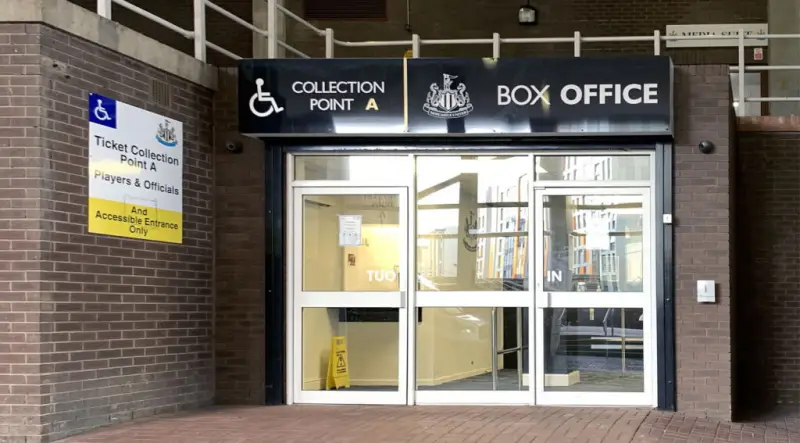
When the writer called the Box Office, a move to another area was rejected on the grounds that the pair had won in the family section. Asked why the website had let them enter a ballot they could not ultimately use, staff said choosing the correct area was the customer’s responsibility. A request for two seats elsewhere was also refused, despite the writer’s argument that the unused allocation would return to the available pool. The response was that policy prevented an exception and that it would be unfair to other fans.
For the writer, that answer exposes a gap between the club’s public language and its day-to-day decisions. CEO David Hopkinson has described fans as the club’s “beating heart” and said in 2025 that “Supporters are at the heart of everything we do.” Chairman Yasir Al-Rumayyan wrote in 2022 that the support “will never be taken for granted.” The writer sees little sign of those assurances in an interaction where a family encountered a rigid process, even after explaining an unusual situation.
When follow-up fails
The article also recounts the writer’s sister’s attempt to take her son to see Bournemouth last season. She won two tickets in the ballot, but the journey from the south east became a succession of train delays. At first, they feared arriving close to kick-off; later, they expected to miss much of the first half. By the time they reached Newcastle, they were hoping to catch the final minutes.
They ran up Pink Lane and arrived around the 80th minute, only to be refused entry by stewards. They showed their tickets and explained the delays, but were turned away. Supporter Services staff at the ground said the stewards had made the wrong call and suggested the family get in touch on Monday to see what could be done.

According to the writer, that promised follow-up went nowhere. Supporter Services later denied knowing about the response given at the ground and appeared to question whether the conversation had happened. The frustration isn’t simply that the family missed most of the match; it’s that an offer to review the situation didn’t lead to a meaningful response.
The writer rejects the idea that these encounters should be dismissed as the work of a few frontline employees. In their view, senior leaders establish an organisation’s culture, and the way staff handle difficult cases reveals what the club values in practice. Public statements about supporters count for little if a ticket problem or a request for follow-up meets a wall of procedure.
Atmosphere, identity and the badge
The criticism extends beyond customer service. The writer believes the club’s matchday choices are weakening the atmosphere that once helped distinguish St James’ Park. In particular, they object to the version of “Blaydon Races” played over the stadium speakers. Rather than giving the crowd space to build its own noise, they say, the loud, dirge-like rendition drowns out the fans and even silences Strawberry Corner.
The recent Everton match sharpened that feeling. The writer recalls hearing the song before kick-off in both halves and thinking that the people responsible for matchday decisions were suppressing the very crowd support the team might need. They point to Kevin Keegan, Bobby Robson and Eddie Howe as figures who understood the force of the home atmosphere.
The redesigned club crest draws similar disapproval. The writer describes it as a poor reworking of the original and questions whether changing a familiar badge justified the cost and upset. These are matters of taste, but in the argument they form part of a wider pattern: decisions that seem detached from the memories and customs supporters attach to the club.
That attachment is what makes the discontent so difficult to shake. The writer has followed Newcastle for nearly 40 years and says they’ll always love the team. The bond is built from childhood memories, away-day gatherings, family routines and the rare rush of a last-minute winner or hard-earned victory against a leading side. The writer’s sister’s devotion stretches back to the club’s 1988–89 relegation season; growing up in Hexham, she tried to catch glimpses of players including Mick Quinn, Ray Ranson and Kevin Brock, and later became Roy Aitken’s family babysitter.
Those personal histories can keep supporters invested through years of frustration. The writer even likens that fierce loyalty to an emotional bond that persists despite repeated hurt. But affection for the team, in this telling, shouldn’t excuse the club’s conduct. The concern is that the institution can rely on nostalgia and devotion while treating fans chiefly as ticket buyers, shirt customers and proof of a marketable atmosphere.
The contrast is clearest in the Sunderland ticket example: members’ general-sale seats disappeared within minutes, while hospitality places remained available at £800, including food and appearances by one of Keegan’s Entertainers. The writer sees that difference as a sign of whose access the club can readily accommodate.
Newcastle’s on-field gains and commercial growth haven’t erased that divide. The question now is whether the club can make its language about supporters visible in the way it handles everyday problems and protects the traditions fans value. For this writer, love for Newcastle United the team remains certain; confidence in Newcastle United the club is wearing away.