Nine Refereeing Changes That Could Curb Gamesmanship in the Premier League
- Simon Ritter
- 901 views
A stricter approach to dissent, simulation and routine fouls could make Premier League matches fairer without sacrificing their pace.
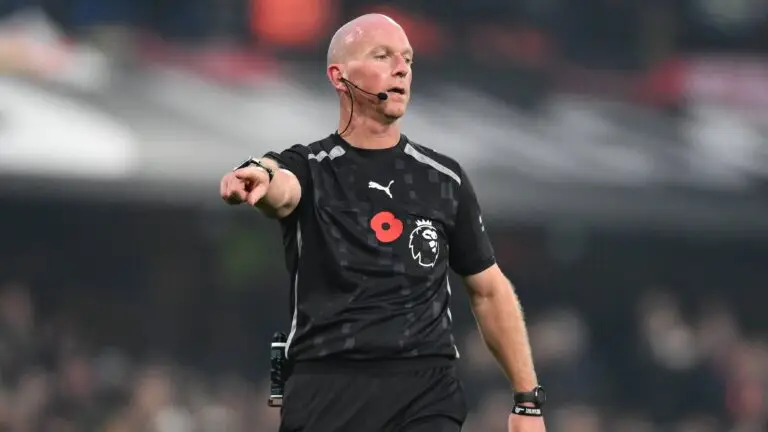
The Premier League’s challenge is to keep matches flowing while making sure that speed doesn’t come at the cost of fairness. A proposed set of nine refereeing changes puts that tension into practical terms: enforce familiar laws more consistently, and make repeated gamesmanship carry a clear price.
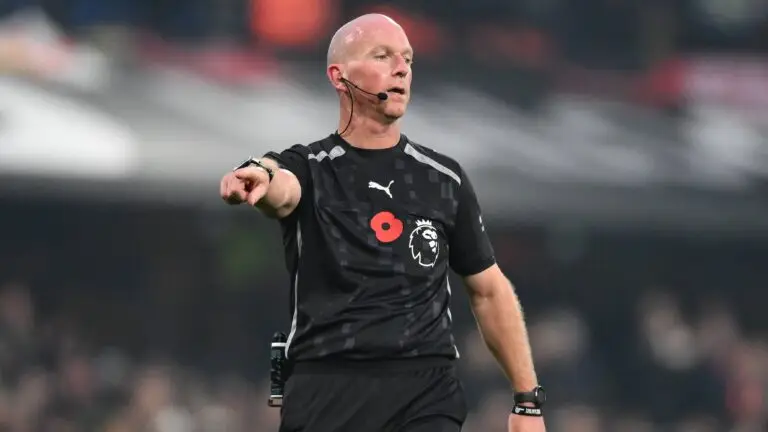
The argument starts with the competition’s distinctive style. Its appeal depends partly on fast, physical football, and frequent stoppages can disrupt that rhythm. But leniency has its own cost. When players can obstruct restarts, tug shirts or appeal aggressively with little consequence, the match may keep moving while the contest becomes less fair.
That trade-off is especially visible in the relationship between the referee and video review. The proposal criticises an approach in which video officials intervene only in the most extreme cases. Under that threshold, a referee’s decision to let play continue can stand even when a later review panel says a penalty would probably have been the right call. The result, in the writer’s view, is a system that can appear to validate either outcome after the fact.
There is a case for a high intervention threshold: constant reviews would break up play and draw attention away from the football. Yet a narrow threshold also leaves the on-field official’s judgment as the decisive factor in many disputed moments. That makes consistent application of the laws all the more important. If players see the same conduct ignored from one match to another, they have little reason to change it.
Make the routine offences costly
The nine suggestions focus on repeated, visible behaviours rather than elaborate changes to the rules. For free kicks, players who fail to retreat 10 yards promptly would receive a warning. A second offence by that player or a teammate would bring a booking, with a third bringing a red card. That escalating structure aims to stop teams from delaying restarts through small acts of obstruction.
Two proposals target contact away from the ball. A push with no attempt to play the ball would bring a yellow card, as would pulling an opponent’s shirt, shorts or socks. These are common ways to impede a runner or disrupt a challenge. A consistent sanction would make the cost easier for players to anticipate, especially in crowded areas where such contact can be hard to spot in real time.
Restarts are another focus. A throw-in would go to the opposing team if the player fails to release the ball from behind the head, does not keep both feet grounded behind the touchline, or takes it more than two yards forward from the correct spot. Free kicks would have to be taken from the right place; a repeat offence would earn a booking. The proposal singles out goalkeepers moving the ball forward or closer to their own goal before a restart, conduct it says often goes unpunished.
These measures would ask officials to intervene more often in small moments. Their value would depend on applying them in a steady way: a strict rule that is enforced only occasionally risks creating fresh disputes instead of changing behaviour.
Dissent, simulation and the cost of delay
The remaining ideas address conduct that can sway the atmosphere or consume time. Any physical or verbal dissent directed at the referee or assistant would draw a yellow card, including when it comes from the captain. A player who dives would also be booked; if the simulation happens in the opponents’ penalty area, the suggested punishment is a red card.
The red-card proposal is the most severe of the nine. Its intended effect is deterrence, but its application would turn on the referee’s judgment of whether a player deliberately simulated contact. In a fast, crowded penalty area, that distinction can be difficult. The rule would therefore demand confidence and consistency from officials if it is to be accepted by players and supporters.
Time added for celebrations would be at least one minute for every goal celebration. That would make the clock more directly reflect time spent out of play. The final suggestion links advantage to later discipline: if the referee allows play to continue after a foul and an advantage develops, the offending player should still be booked afterward. That approach would preserve the attacking opportunity without letting the foul go unpunished.
Some time-management measures are already described as encouraging quicker play. A five-second countdown for delayed goal kicks and throw-ins is rarely needed once players know it may be used, while substituted players have 10 seconds to leave the field. That offers a useful principle for the wider set of proposals: predictable enforcement can deter conduct before a card or stoppage becomes necessary.
The likely objection is that stricter officiating would produce a wave of cautions and dismissals. The counterargument is that clear consequences could reduce the behaviour that earns them. Players who know that pulling a shirt, delaying a free kick or confronting an official will be punished may be less willing to make those choices.
For the Premier League, the test would be whether firmer enforcement can preserve the pace that makes its matches distinctive while reducing the sense that routine infringements are part of the tactical toolkit. These nine ideas offer a simple measure of progress: fewer cynical interruptions, and a clearer relationship between what players do and what referees sanction.