Mark Schwarzer on Mourinho’s Chelsea standards, broken promise and brutal training-room criticism
- David Weiner
- 616 views
Schwarzer recalls Mourinho’s relentless Chelsea training, explains why he played less than promised and describes the criticism that shaped the dressing room.
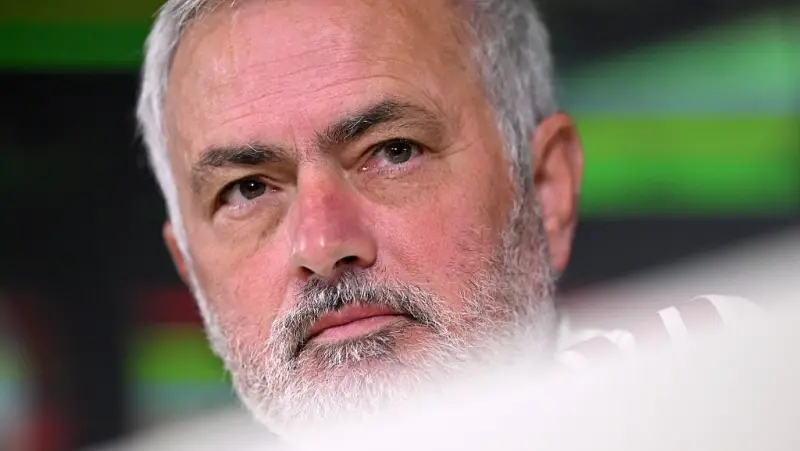
José Mourinho’s return to Real Madrid’s spotlight has revived a familiar image: the manager celebrating a decisive win with the same fierce edge that defined his earlier success. For former Chelsea goalkeeper Mark Schwarzer, the renewed attention also brings back a vivid account of working under Mourinho, where exacting preparation, uncompromising criticism and a promise about playing time all shaped his experience.
Schwarzer, who joined Chelsea at 40, admits he doubted Mourinho could return to the very top of club football. The Portuguese answered that doubt with Real Madrid’s 2-1 El Clásico victory over Barcelona, sealed by Kylian Mbappé. Mourinho recreated his knee slide from 16 years earlier, when he celebrated at the same venue as Inter Milan’s manager. The win ended Barcelona’s nine-game LaLiga winning streak and put Mourinho back at the centre of the conversation.
“Anyone who writes off José Mourinho is mad,” Schwarzer said on his podcast. He acknowledged that one result cannot settle the question of Mourinho’s standing, but described the victory as a major step and a reminder of the manager’s ability to adapt. Schwarzer still sees the familiar traits: ruthlessness, emotional intensity and a willingness to speak plainly. Those qualities, in his view, remain tied to Mourinho’s drive and resilience, even as he evolves.
Training built around detail and intensity
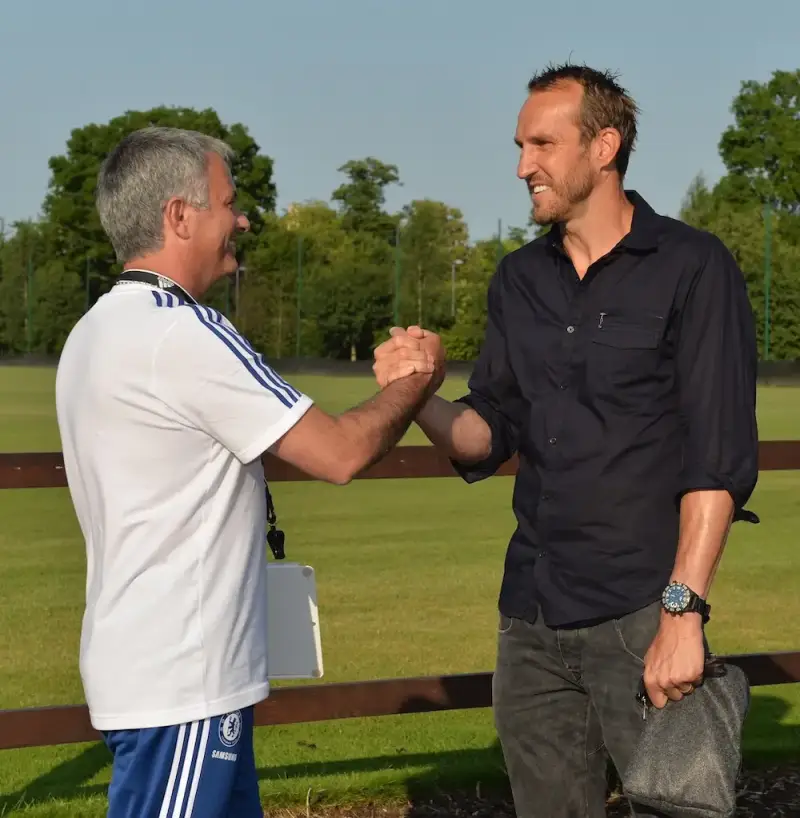
Schwarzer’s clearest memories come from his first days at Chelsea. He had spent years in the Premier League, yet the club’s atmosphere made an immediate impression. The expectation was to win every match, and the standards were apparent from the first training session.
Two pitches sat side by side, each prepared for the next exercise. Staff moved quickly between drills, using written layouts to arrange cones and equipment. As soon as one activity ended, several people would reset the space while the players shifted to another part of the field. Instructions came during short drink breaks, which were timed to fit the explanation before the next session began.
That organisation served a larger demand. Schwarzer said the drills were conducted at roughly 85 to 90 per cent of match intensity, and sometimes more. Every exercise had a clear structure and a minimum pace. Players were expected to compete at that level, and Mourinho would call out anyone who fell short. The pressure came not only from the manager: teammates also expected each other to meet the standard.
For Schwarzer, the contrast with other environments was striking. He had encountered intense sessions elsewhere, but at Chelsea the precision of the schedule made high intensity a constant. The work was designed to leave little slack between activities, and the players were expected to be switched on throughout.
Preparation for matches followed the same logic. The day before a game could include several meetings, particularly if the team had played during the week. Each discussion lasted around 10 to 15 minutes and focused on a defined subject: defensive set plays, attacking set plays, the team’s approach and how to deal with the opponent’s style.
Those sessions were spread around training and lunch rather than delivered as one long block. Schwarzer felt the short format kept everyone attentive. He had sat through meetings elsewhere that ran for half an hour or longer, when concentration could fade. At Chelsea, he said, the concise sessions made it easier to absorb the details and return to the work ready to act on them.
The playing-time promise and the Champions League debut
Schwarzer arrived with a specific concern. He was still playing for Australia and wanted to be part of the national team’s 2014 World Cup squad. Joining Chelsea meant accepting that Petr Čech was the first-choice goalkeeper, and Schwarzer knew his appearances could be limited. He told Mourinho that reduced club involvement might make it harder to maintain his place internationally.
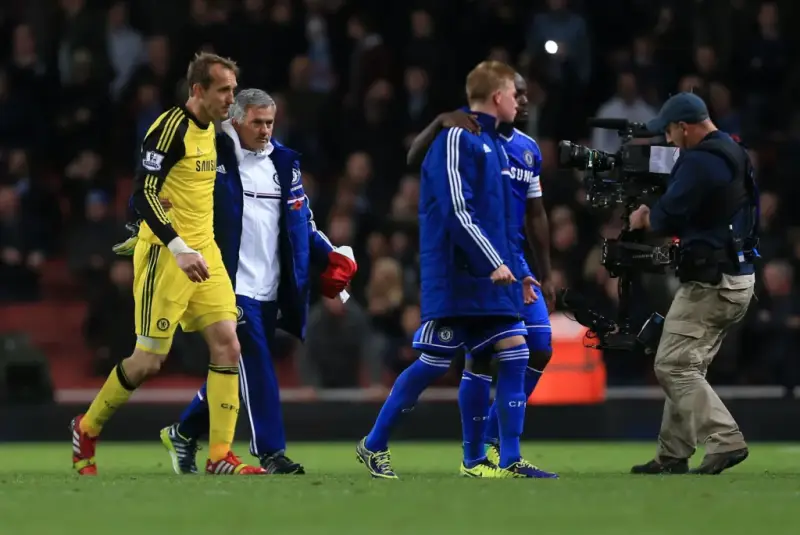
Mourinho assured him he would get enough games. Čech had missed matches through injury in previous seasons, and Mourinho expected that Schwarzer would have opportunities. But by November or December, Čech had remained fit and was playing well. Mourinho then acknowledged that Schwarzer had played less than anticipated, telling him he was sorry and explaining that Čech had not been injured.
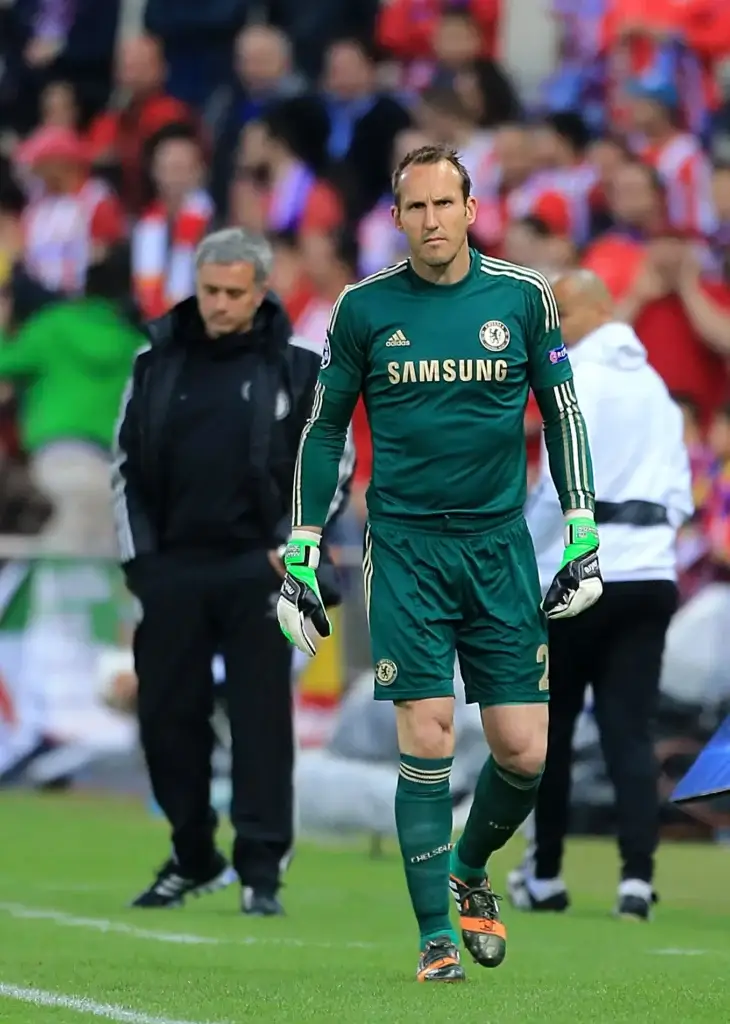
Schwarzer accepted the situation. Chelsea’s stature and chances to compete for honours had appealed to him, but he also wanted to experience the Champions League, a competition he had never played in. Mourinho gave him that first appearance in the final group match against Steaua Bucharest at home.
Chelsea had already secured qualification for the knockout rounds, but a win would put them top of the four-team group. They won 1-0, giving Schwarzer his Champions League debut. He remembers the occasion as personally significant, even if the match did not have the scale of a major European knockout tie.
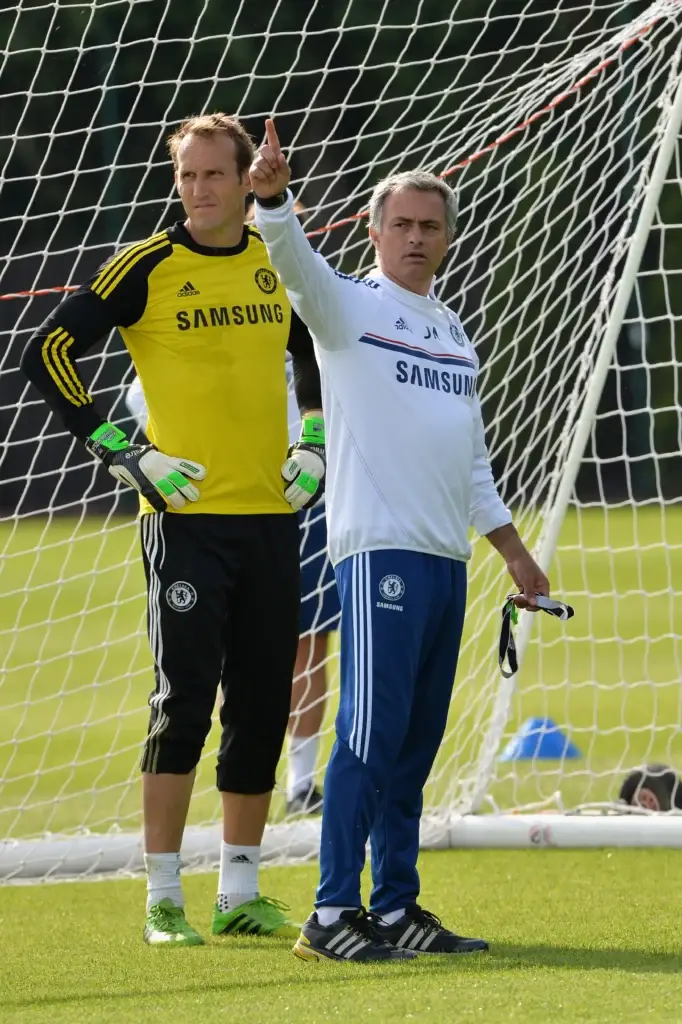
His next opportunity came after Čech was injured. Schwarzer then played for the remainder of the season, a spell he estimated at six or seven matches. He believes Mourinho valued not only his performances when selected but also what he brought to training. Schwarzer said he gave everything on the practice field, led the work and maintained a high level of commitment despite limited starts.
That commitment helped explain why Mourinho later praised him publicly. Schwarzer thinks the manager respected the way he handled his role: he kept working, responded to the club’s demands and did not let frustration disrupt his contribution. The relationship was shaped by a direct understanding of expectations, even when the promised amount of playing time did not arrive.
A sharp lesson in front of the squad
Mourinho’s standards could also come with a public dressing-down. Schwarzer recalls making the same mistake twice in quick succession during a small-sided possession drill that required players to use their feet. Mourinho reacted immediately, delivering a brief but fierce criticism.
Schwarzer described the experience as brutal. With a group of high-profile players watching, he felt exposed and diminished. Yet the other players treated the confrontation as part of the working environment: the manager expected more, the coaches expected more, and the squad was expected to demand the same from itself.
The response Mourinho valued, Schwarzer said, was to accept the criticism, keep working and avoid repeating the error. He did not enjoy being singled out, but he took the point, moved on and focused on the next action. Schwarzer believes Mourinho respected that approach: he did not hold a grudge or allow the incident to turn into a distraction.
Even at 40, Schwarzer found the experience instructive. Chelsea’s demands differed from those at a club where the immediate expectation was not to win titles. The quality of the players raised the standard, but so did their expectations of one another, both in training and on match days. For a veteran who had already spent a long time in the Premier League, that environment still revealed another level of preparation and accountability.
What the Chelsea experience says about criticism
Schwarzer’s account also reflects on how players are prepared for senior football. He said academy environments now tend to offer more guidance and encouragement, with greater emphasis on helping young players improve. In his view, that approach can leave a sharp adjustment when a player reaches a first-team setting where feedback is more direct and the consequences of mistakes are immediate.
He does not endorse the harsher treatment that once occurred in football. Schwarzer said some past conduct crossed lines and that verbal abuse should not be encouraged. At the same time, he believes young players can be surprised by the difference between development football and the demands of a first-team dressing room. A player who has mostly received support may encounter a more forceful response once results and performance carry greater weight.
His point is less that one era produced tougher players than that the environments differed. Academies can invest in development and still leave players unprepared for the tone of elite competition. Senior football asks players to respond quickly, take responsibility and recover from mistakes without letting them dominate the next moment.
That tension sits at the heart of Schwarzer’s memories of Mourinho. The manager’s methods could be exacting, and the public criticism could leave a player feeling small. But the standards were clear: train with intensity, take instruction seriously and meet the next challenge. Schwarzer’s own story includes the disappointment of fewer appearances than expected, a Champions League debut and a season-ending run of games when Čech was injured. What stayed with him most was the relentless precision of the work and the expectation that every player, whatever his status, would keep raising his level.