Bayern’s €250m Viessmann Deal Raises Questions Over Spending and Bundesliga Gap
- Douwe de Vries
- 829 views
Bayern gain fresh capital while keeping their ownership structure intact, but uncertainty over the money’s use fuels debate about transparency and competitive balance.
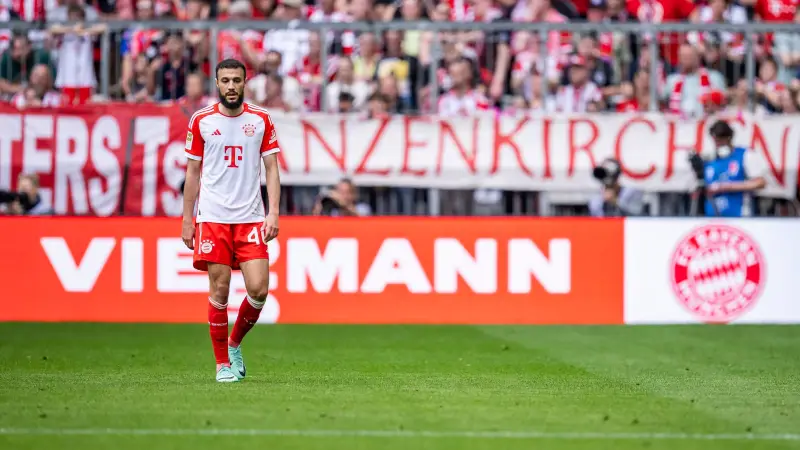
Bayern Munich’s agreement with Viessmann gives the club a reported €250 million injection while sharpening a familiar Bundesliga debate: how much outside investment can strengthen a leading club without changing who controls it? The deal preserves Bayern’s existing ownership structure, but its scale has prompted questions about competitive balance and, more directly, how the money will be used.
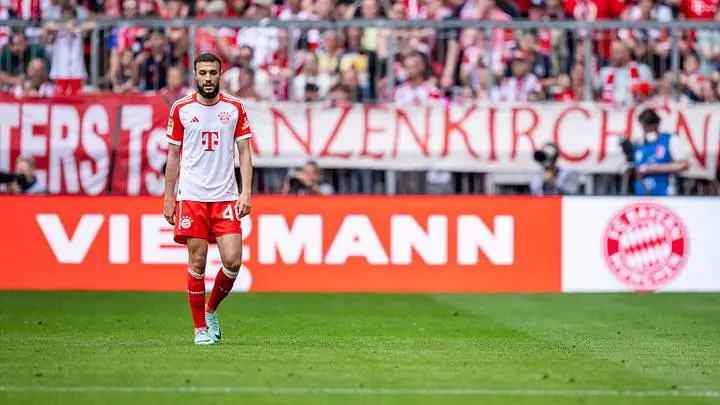
Announced on October 22, the arrangement brings the family owned Viessmann Generations Group into Bayern Munich AG as a shareholder. The club hasn’t published every financial detail. Reports put Viessmann’s stake at around 6.7%, and the supervisory board is set to grow from nine members to ten, with Max Viessmann joining it.
That combination matters. Bayern receive substantial new capital and an additional voice in the boardroom, yet the club’s established ownership framework remains in place. Adidas, Audi and Allianz retain their shares, and the investment isn’t presented as a change in day to day control.
Investment priorities, not an immediate transfer push
Bayern and Viessmann have described the intended focus as sustainability, international expansion and digitalisation. In an interview with the Süddeutsche Zeitung, club president Herbert Hainer and Max Viessmann said the money wasn’t designed to trigger an immediate burst of transfer spending. Infrastructure and financial flexibility are the priorities they have highlighted.

That distinction will be closely watched by supporters. A club can direct new capital towards long term projects and still gain room to manoeuvre elsewhere in its finances. But the stated purpose and the eventual effect aren’t necessarily the same thing: improved infrastructure or greater financial flexibility could shape future decisions without translating into a specific signing now.
The lack of a detailed public account leaves room for questions. Bayern haven’t specified the precise amount or provided a clear breakdown of how it will be allocated. The stated aims are broad, and the available information doesn’t clarify what portion, if any, is tied to particular sustainability projects, international plans or digital systems.
That uncertainty matters because supporters contribute to the club through matchday income and merchandise as well as their attachment to the team. They’ll want to understand what a major investment is meant to achieve and how the club will judge its success. The reported decision not to enter the January transfer market also makes the timing and purpose of the funding a point of interest, particularly with a lengthy injury list cited as a reason some fans might have expected recruitment.

Rivals see an advantage; Bayern point to the rules
The deal has drawn reactions from other leading Bundesliga clubs. Bayer Leverkusen chief executive Fernando Carro acknowledged Bayern’s long standing financial edge, but argued that the new investment would widen the gap further. “Bayern have always had greater resources than the rest of the league. That should motivate all of us to challenge the club year after year with every means at our disposal,” he told Bild.
Carro also said the agreement made the competitive imbalance more pronounced, while accepting that German football had chosen its existing model and must live with the consequences. RB Leipzig’s chief executive struck a more congratulatory tone. He said his club’s response should be to improve, describing Bayern’s resources as extraordinary and the investment as a further reinforcement of their position.
The wider context complicates the criticism. The 50+1 rule is intended to keep voting control with club members, limiting an outside investor’s ability to take over day to day control. Bayern’s agreement, as described, sits within that framework. Borussia Dortmund, RB Leipzig and Leverkusen have also secured lucrative commercial or investment deals; the source material says some may have generated more money than Bayern’s arrangement.
So the central issue isn’t simply whether Bayern can accept outside capital under the rules. They can, and other prominent clubs have pursued substantial deals of their own. The harder question is how these arrangements affect a league in which clubs start with different commercial reach and financial strength. A legal structure can set limits on control without making the resources available to every club equal.
What the money means for Bayern’s season
For the team, the investment doesn’t announce a new tactical direction or guarantee reinforcements. The club’s stated emphasis on infrastructure, sustainability and digitalisation points towards longer term priorities, while the comments about January suggest the funds aren’t being positioned as an immediate answer to squad absences. Any effect on the pitch will depend on how Bayern use the additional financial flexibility over time.
That leaves two tests for the deal. Bayern will need to show that the investment supports the projects they have named, and explain clearly enough how those priorities are being pursued. Meanwhile, rivals will judge the arrangement by its practical effect on Bayern’s capacity to maintain their advantage. The reported €250 million figure is striking; the detail behind its use will determine what it means for the club and the Bundesliga competition around them.