Irankunda earns starts as Circati adjusts at Sporting and Benfica
- Tom Kundert
- 942 views
Irankunda has made a strong case for a regular role at Sporting, while Circati’s Benfica progress hinges on adapting his passing game.
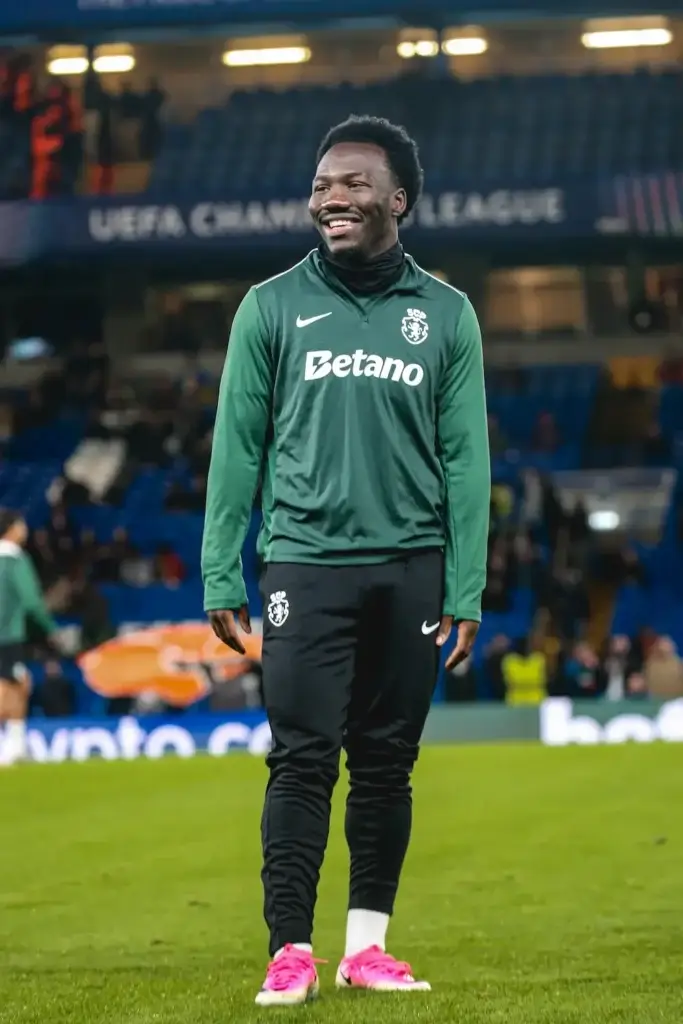
Three months into their first season in Portugal, Nestory Irankunda and Alessandro Circati are taking different routes toward regular football. Irankunda has turned a slow start into a run of starts at Sporting, while Circati has made steady progress at Benfica behind an established centre-back pairing. Their €15 million and €18 million moves, respectively, brought unusual attention: neither Lisbon club had previously had an Australian player on its books.
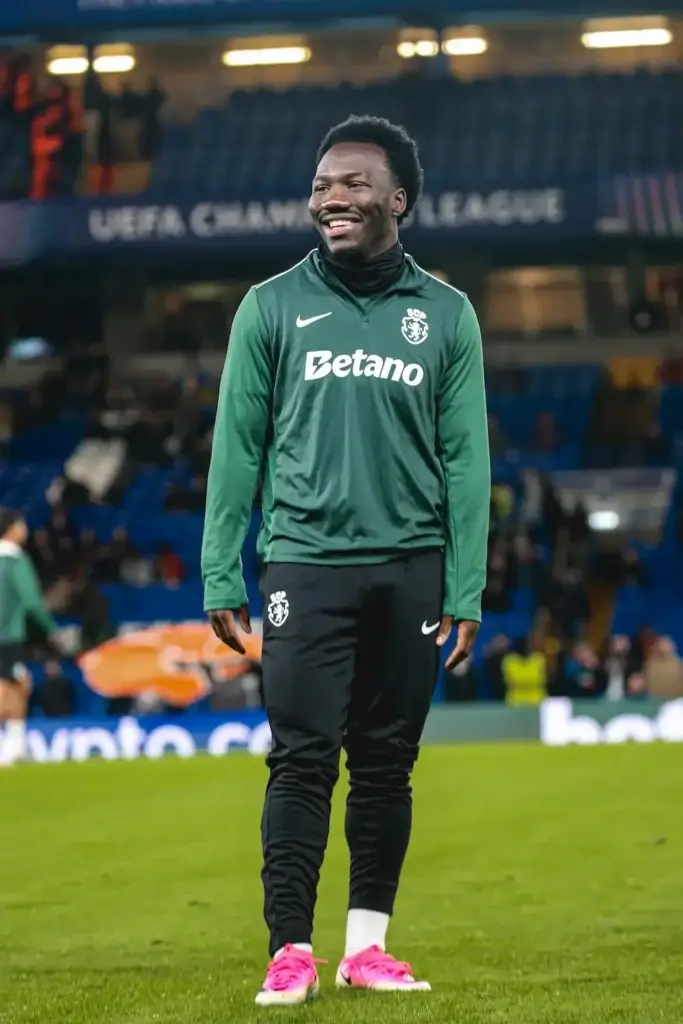
Irankunda’s opening appeared to turn
Sporting’s depth in wide positions initially left Irankunda waiting for minutes. Geny Catamo, Luís Guilherme, Flávio Gonçalves, Rodrigo Zalazar and Jesse Derry were all competing for places in those areas. Until mid-September, the winger featured in only four matches, with outings lasting between 10 and 23 minutes; he stayed on the bench for three others.
A change of shape gave him a clearer route into the team. After poor results, coach Rui Borges moved Sporting from a 4-2-3-1 to a 4-3-3 following the October international break. Irankunda responded with two standout displays in difficult away wins at Braga in Liga Portugal and Lens in the Champions League. He assisted Luis Suárez in both games, using his pace and direct running to make an impact in transition.

He also won a penalty early in Sporting’s next Champions League match, against LASK Linz. But the team lost that game, then suffered another home defeat against Académico da Viseu. The latter result cost Borges his job, leaving Irankunda to build trust again under Paulo Fonseca. There was concern that a more patient passing approach might suit the Australian less than the quick vertical attacks that had helped bring out his strengths under Borges.
Fonseca’s first selection offered an encouraging sign: Irankunda started, making it his seventh start in Sporting’s last eight matches. Against Moreirense, he came close to scoring his first goal for the club twice. A powerful strike was cleared off the line, and another well-hit effort was ruled out for an offside margin of just 8cm.
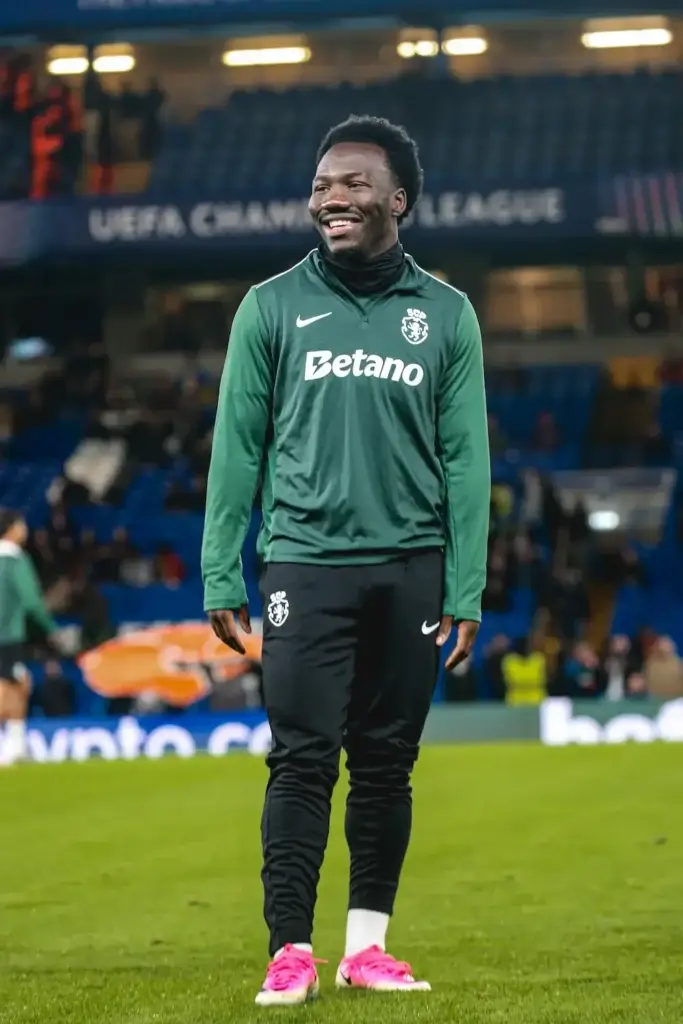
After the LASK match, Irankunda described the adjustment as a work in progress: “I’m working hard to be a starter for Sporting,” he said. “I’m happy to be in the starting eleven. I’m working hard for this to happen. I’ve been playing well, but I think I can do better. The style of play is completely different to in England, where it’s more aggressive and there are more long balls. It’s a big difference but I’m happy to be at this huge club.”
Assessment: 7/10 — Irankunda’s recent run suggests he can offer more than raw speed. He has shown tactical awareness, adapted to a new system and maintained a strong work rate. The managerial change adds uncertainty, but his place in Fonseca’s first team and the chances against Moreirense give him a platform to build on.
Circati’s route runs through Benfica’s first-choice pair

Circati faces a narrower but still demanding selection barrier. Tomás Araújo and Clément Lenglet are Marco Silva’s preferred pairing at centre-back, with Araújo representing Portugal and Lenglet bringing veteran experience. Benfica’s schedule across four competitions, together with both defenders’ injury histories, should create opportunities. Circati has already logged 582 minutes, slightly more than Irankunda’s 568, though much of his playing time has come in less significant matches.
Benfica supporters expected the former Parma defender to add height and physical strength when defending crosses and set pieces. Those qualities matter, but they haven’t yet displaced the first-choice pair. Araújo and Lenglet are accomplished passers whose distribution currently gives Benfica greater cohesion in possession.
Circati tends to choose short passes to his defensive partner or dropping midfielders instead of attempting more progressive balls. Silva has identified that part of his game for development. For a Benfica centre-back, the responsibility to help start attacks is constant: the team often holds the ball in the attacking half, requiring defenders to make decisions under a different kind of pressure than Circati has faced at his previous club or with Australia.

Speaking before Benfica’s Sunday match against Estrela da Amadora, Silva said Circati had been “evolving, adapting,” and stressed that adjustment takes time for a young player. He added: “He feels more comfortable without the ball at the moment.” Silva noted the difference between Benfica’s demands and Circati’s previous experience, but said the defender had “been taking the right steps” and that the club was happy with him.
Assessment: 6.5/10 — Circati has done little wrong, though he has had few demanding tests. He appears to be building confidence in unfamiliar surroundings, with progressive passing the clearest area for improvement. At 23, and after an €18 million move, he has the profile to become an important option as Benfica pursue domestic and European honours. His physical attributes could complement Araújo and Lenglet, and Silva’s comments suggest the coaching staff see a path for him to grow into a larger role.
For now, Irankunda’s clearest progress is his place in Sporting’s starting lineup; Circati’s is the steady accumulation of minutes and a defined development plan. Their next steps depend on turning those opportunities into sustained contributions as both Lisbon clubs chase silverware.