Bruno Guimarães Returns to Newcastle as a Hero, a Target and a Test of St James’ Park
- Dave A
- 457 views
Newcastle fans are divided over Bruno Guimarães, whose return puts his past service and summer departure in sharp focus.
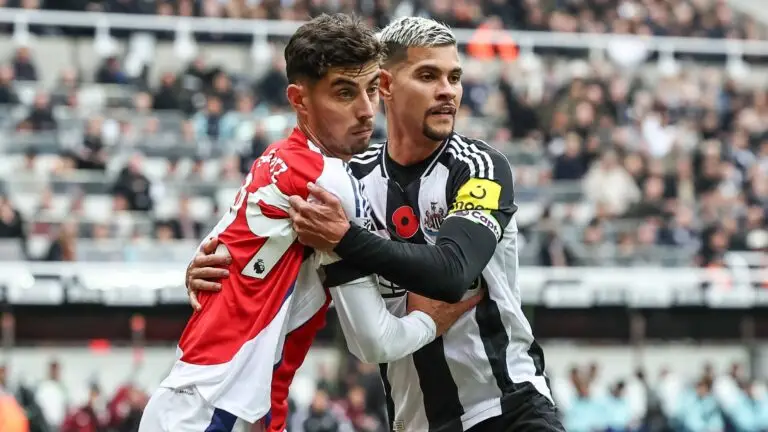
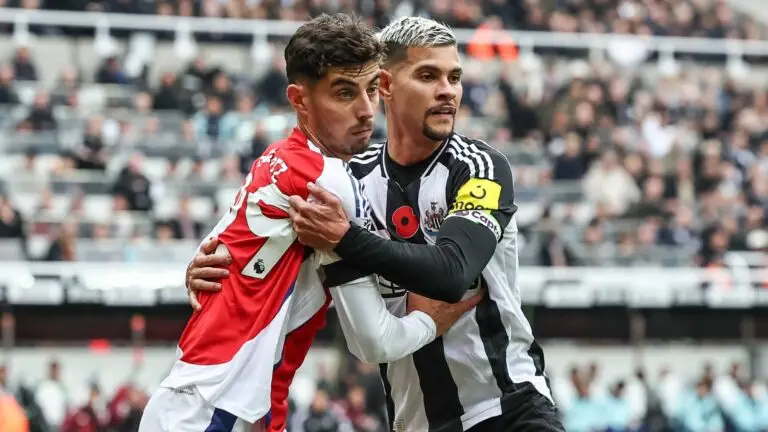
Bruno Guimarães’ return to St James’ Park puts Newcastle’s affection for a former captain against the anger surrounding his departure. With opinion split among supporters and his place in Arsenal’s starting side uncertain, Saturday evening’s match could become a test of how the crowd remembers his service—and how effectively Newcastle can unsettle him if he plays.
A complicated reception
For one Newcastle supporter, the case for welcoming Guimarães is clear: he helped lead the club to its first silverware in decades and brought visible energy to the team. The memory that stands out is a 3-0 lead at Sunderland, when Guimarães made a sliding tackle on Newcastle’s own goal line in front of 7,000 travelling supporters and celebrated as if he had scored. That moment captured the commitment and emotion fans valued in him.
There is also the way he spoke at the Town Moor presentation and his appreciation for the character of the Northeast. Those memories matter because the argument over his return isn’t simply about a player changing clubs. It is about what supporters believe his connection to Newcastle meant, and whether the way he left deserves to reshape the way they remember what he did while he was there.
Others see a different story: a player who pushed to leave and left fans without the explanation they wanted. The writer says Guimarães hired super-agent Kia Joorabchian to help secure a move away. They also criticise his silence during the 2026 World Cup, arguing that he had opportunities to ease the pain of his departure but didn’t take them. That perceived gap between his earlier public affection and his later actions sits at the heart of the dispute.
Newcastle’s summer departures in context
The discussion of Guimarães is part of a wider reflection on Newcastle’s summer business and the players who moved on. The writer felt Sandro’s departure was only a matter of time, judging that the midfielder never seemed fully settled in the Northeast. They also suggest that a return to Italy might suit him, while recognising that the financial arrangements could make such a move difficult.
Anthony Gordon’s exit is framed in a similar way: the writer liked the player but believed he saw himself at a bigger club. His move abroad made it easier for this supporter to accept than a transfer to a domestic rival. These are personal interpretations, rather than established explanations for either player’s decision, but they show why the reaction to each departure can differ even when fans feel a similar loss.
Guimarães occupies a distinct place in that debate. The writer describes loving his passion, his ability to take hold of a match and drive Newcastle forward, and the force of his personality on the pitch. Admiration for those qualities hasn’t disappeared; it now coexists with the sense of hurt over how he chose to leave. That conflict explains why a single reception may not speak for the whole ground.
The tactical edge to the noise
The writer says they would boo Guimarães if he plays, arguing that the intention would be to disrupt his confidence rather than act from spite. They believe he is a confidence player and hope a hostile atmosphere could affect his performance and that of his teammates. That makes the crowd’s reaction part of the match’s emotional contest: Newcastle supporters may try to make the return uncomfortable, while Guimarães will need to manage the pressure and focus on his role for Arsenal.
There is a limit to what can be concluded from that plan. The article offers no detail on Newcastle’s formation, Arsenal’s expected shape or the midfield match-ups likely to decide the game. It does, however, make clear that Guimarães’ selection is uncertain, with the writer noting that he hasn’t been an automatic starter since leaving Newcastle. If he is on the pitch, the attention directed at him could give the occasion a sharper edge. If he isn’t, supporters may have to wait for another chance to make their feelings known.
The writer also imagines a crowd reacting loudly when Dan Burn tackles Guimarães, hoping the noise will unsettle Arsenal as well as the returning player. The point is less about a single challenge than the atmosphere Newcastle want to create: a force that could raise the home side’s energy and add pressure to Arsenal’s decisions. Whether that emotional lift helps Newcastle depends on the players turning it into disciplined work across the pitch.
What the return means for Newcastle
Newcastle are described as being in a transitional period, but the writer believes they can beat anyone in a Saturday evening home fixture. That confidence rests on the crowd’s ability to make St James’ Park feel intense, especially in a match where a familiar face gives the occasion an extra layer. Still, support alone won’t settle the result. Newcastle must channel the noise into performance, while Arsenal’s response to the atmosphere may shape how the game develops.
The writer’s position holds both sides of the story together: they would boo Guimarães during the match, then consider applauding him at the end for his service. It’s a pointed distinction between opposing a former player in the heat of competition and recognising what he once gave the club. For Newcastle, the clearest measure of the evening will be whether the emotion around Guimarães fuels a strong display and a result—not how neatly the crowd resolves its divided feelings.