Celtic Board Faces Frustrated Supporters as O’Neill’s Future Comes Under Discussion
- The Celtic Star Editor
- 753 views
O’Neill heard supporters’ concerns in Greenock as Celtic weighed his future and January transfer plans after a damaging defeat by Falkirk.
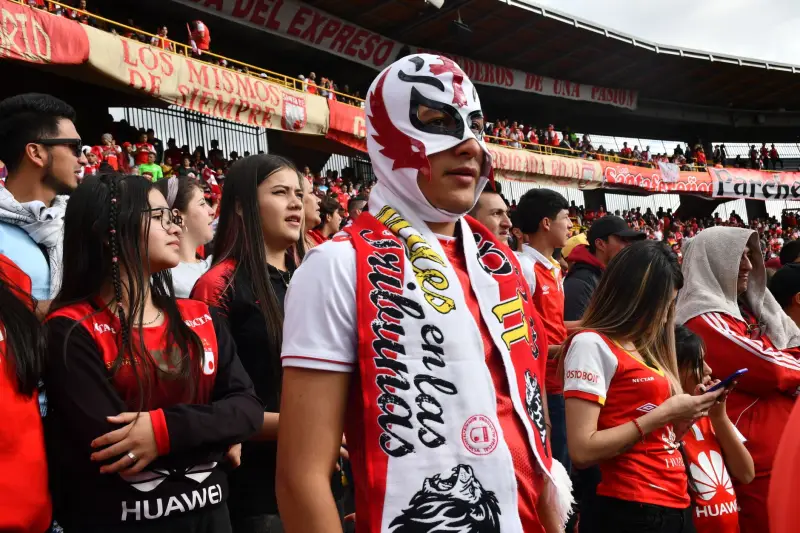
Celtic’s Greenock question session put the club’s immediate challenge into sharp focus: Martin O’Neill’s position is under active discussion, supporters are demanding better communication, and the team has to respond to a damaging defeat while protecting its place at the top of the Premiership.
O’Neill asked to attend the gathering, where he sat alongside chairman Brian Wilson, chief executive Michael Nicholson and chief financial officer Chris McKay. Supporters from the Greenock, Port Glasgow, Gourock, Johnny Doyle, Port Glasgow Hibs and Largs supporters’ clubs took part. Their questions covered player recruitment and sales, the club’s relationship with its fans and its broader direction.
The exchange lasted two and a half hours. Wilson acknowledged that the directors faced pointed criticism, saying they “didn’t expect an easy ride and didn’t get one”. O’Neill said the past few weeks had been difficult and that he understood supporters’ frustration. Those remarks recognise the mood in the room, but the meeting produced no published recording or minutes, leaving the detail of individual answers unavailable.
O’Neill’s position and Celtic’s January priorities
The manager’s future was described as an “active discussion”. That wording leaves the issue open: it indicates that his position is being considered, without setting out a decision or a timetable. For supporters, the question sits alongside the more immediate demands of results and a clearer account of how the club plans to address weaknesses in the squad.
January recruitment was another central subject. Work on the transfer window is already under way, and O’Neill wants Celtic to pursue quality rather than simply increase the number of players arriving. That preference suggests a selective approach, with the value of any signing judged by what the player can add to the side. The Greenock discussion offered no names or further detail on targets, so the practical shape of that plan remains to be seen.
That focus on quality matters especially after the loss to Falkirk. Ethan Ross and Scott Tanser scored in the first half as Falkirk beat Celtic for the first time in 19 years. A defeat of that kind sharpens scrutiny of selection, recruitment and the team’s ability to control matches. The available account does not describe the tactical details of the game, so it would be wrong to assign the result to a particular formation or individual error. What it does establish is the scale of the setback and the pressure it adds to an already difficult period.
A strong league position, but little room for complacency
Celtic remain top of the Premiership with 28 points, four ahead of Rangers, who have played one game fewer. The table therefore gives the club a position to defend, but the gap needs context: Rangers have a match in hand, and Celtic’s recent results have prompted concern among supporters. A strong standing and an unsettled atmosphere can exist at the same time. The next stretch of fixtures will show whether Celtic can turn their league position into a steadier run of performances.
For O’Neill, the immediate task is to keep the team competitive while the club works through its January plans. For the board, the task is to explain how decisions are made and how supporters can expect to hear about them. These pressures are linked. Recruitment choices affect what the manager can ask of his players, while clear communication can help supporters understand the reasoning behind those choices, even when they disagree with the outcome.
Supporter contact moves back into focus
Nicholson said Celtic wants to continue meeting supporters and improve communication and engagement over the coming weeks and months. Greenock follows sessions in recent months with the Affiliation of Registered CSCs in Glasgow and the Association of Irish Celtic Supporters’ Clubs in Cork. Repeating those discussions gives the board opportunities to hear concerns across different supporter groups. Their value will depend on whether the conversations lead to clearer communication and visible follow-through.
The annual general meeting is the next formal test for the board. On 26 October, the Celtic Trust said the club had accepted its three resolutions for the meeting notice. Celtic had not announced the meeting date at that point. The Greenock session and the AGM offer different settings for supporters to press their concerns; together, they put attention on how the club responds to questions about its direction and accountability.
The football calendar brings a nearer test. Celtic face Besiktas at Celtic Park in the Europa League on Thursday 5 November 2026, with kick-off at 8pm. The result will not settle the wider questions raised in Greenock, but it gives O’Neill’s side an immediate chance to answer the frustration on the pitch. Celtic have points to protect, a transfer window to prepare for and an unsettled discussion about the manager’s future. How the team responds against Besiktas will shape the tone around the club as those decisions continue.